
Tiny snails, found nowhere else
Most of New Zealand’s native land snails measure one to a few millimetres across, and nearly all of them are endemic. This archive brings together what is known about each species: its classification, shell and anatomy, where it lives and how it is faring.
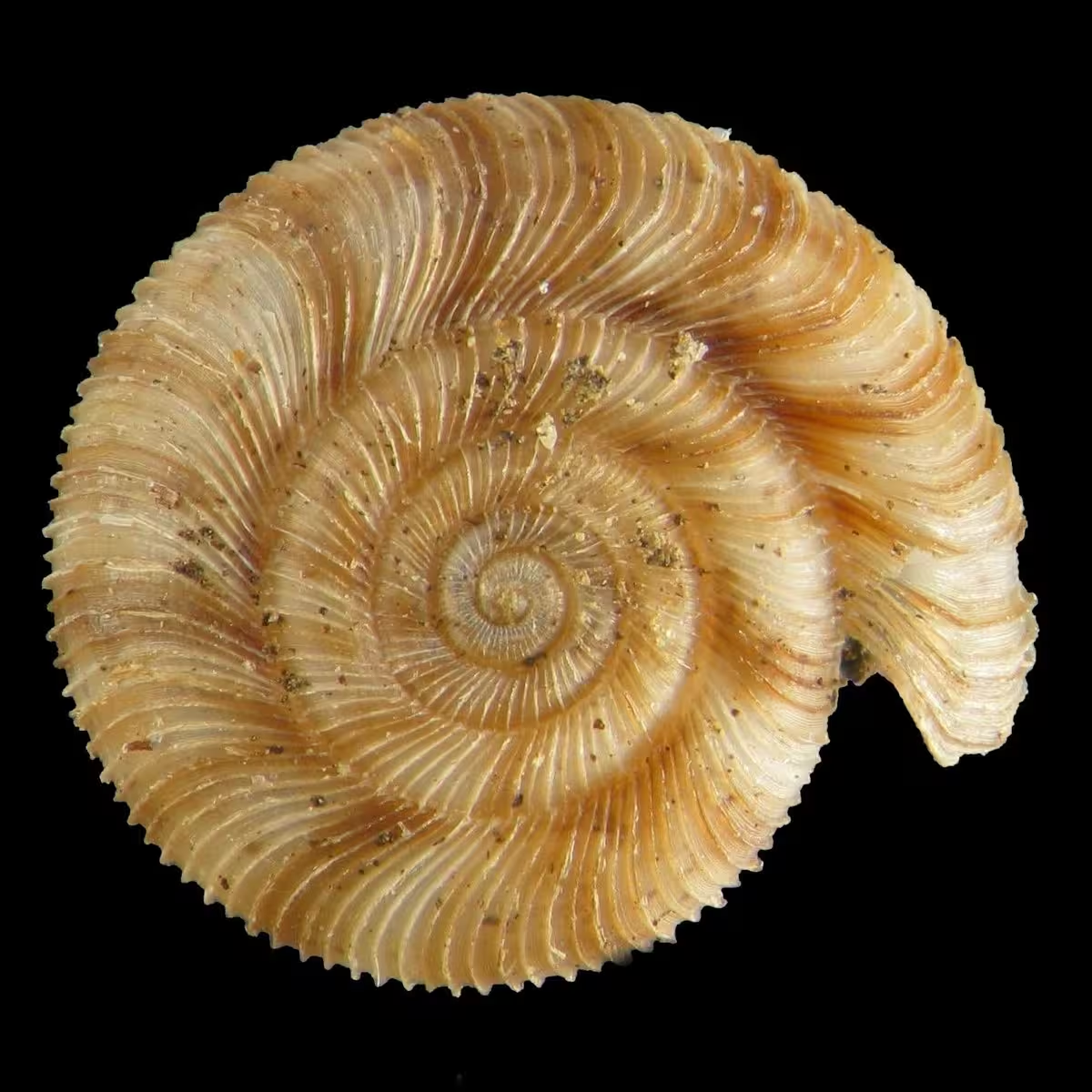
A few mm
Most native land snails are one to several millimetres across.
Endemic
Nearly every native species lives in New Zealand and nowhere else.
NZTCS
Each factsheet gives the threat status under the New Zealand Threat Classification System.
Free PDFs
Every factsheet can be downloaded, printed and taken into the field.
What each factsheet covers
Every factsheet follows the same structure, so species can be compared side by side. Each one is revised when new information becomes available.
Classification
Family, current name and authority, so you know exactly which species you are reading about.
Synonyms
Earlier names the species has been published under, which matters when reading older literature.
Shell and anatomy
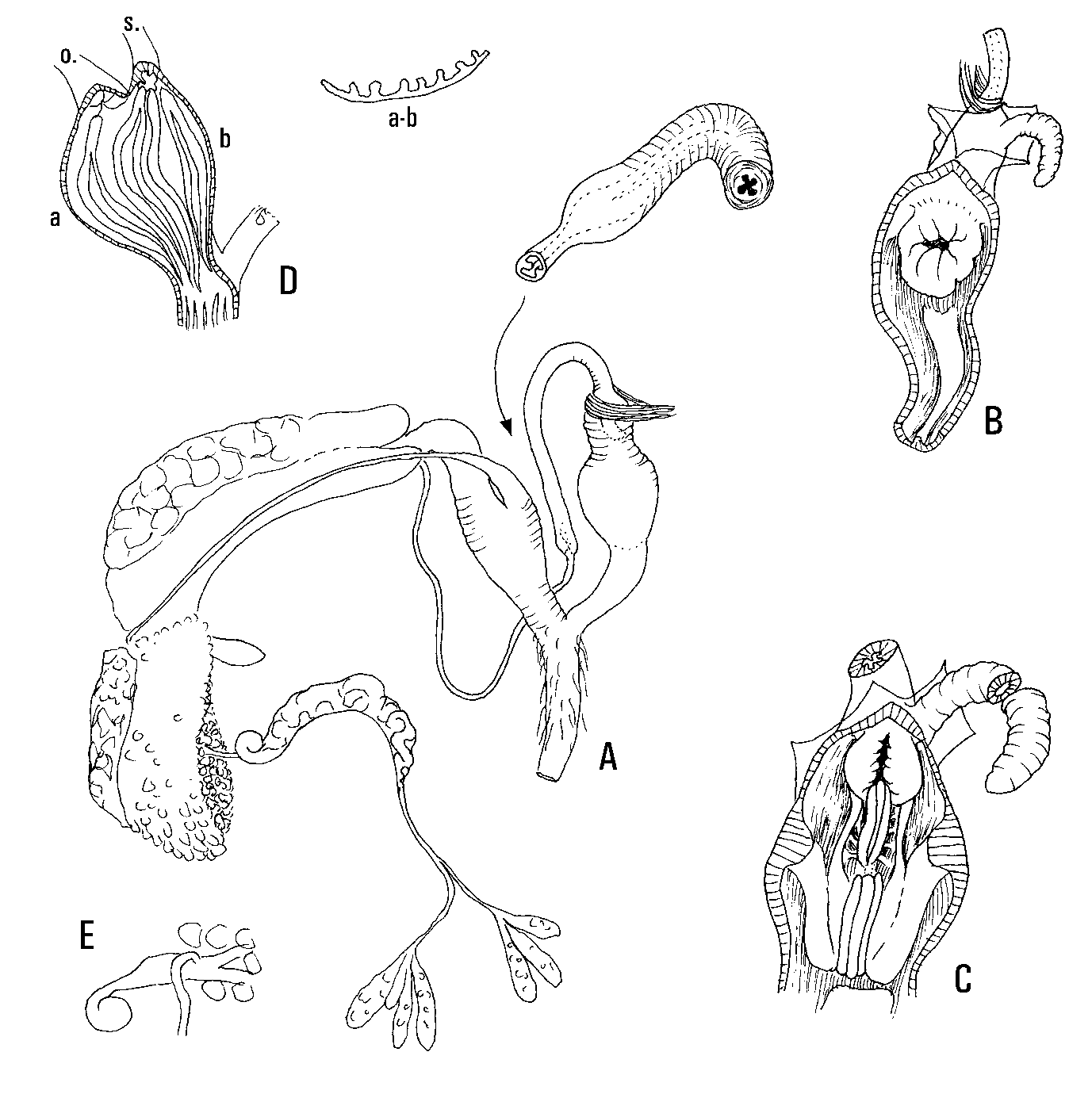
Size, whorls, sculpture and aperture, with micrographs and drawings of the reproductive anatomy.
Distribution
Where the species has been recorded, and how common it is in leaf litter samples.
Habitat
Forest litter, logs, ferns, limestone or cave entrances: where to look, and at what altitude.
Conservation status
Threat ranking under the New Zealand Threat Classification System, updated as new information arrives.
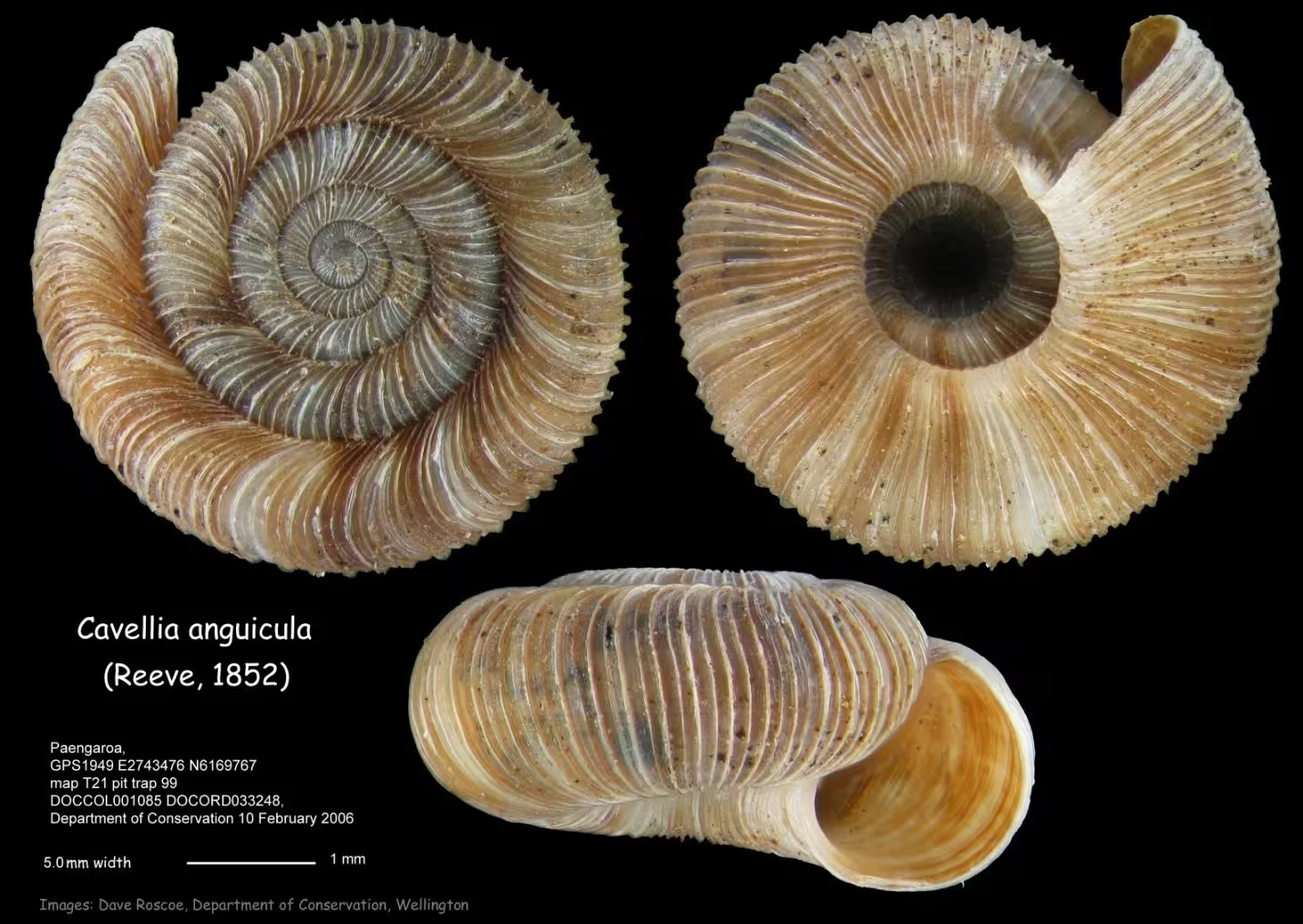
Cavellia anguicula
A small, finely ribbed snail of forest leaf litter, and one of the more common species: a few litres of litter can hold more than twenty. Its translucent buff shell, streaked with brown, is wider than it is tall, with a broad open umbilicus.
| Family | Charopidae |
| Threat status | Not Threatened (NZTCS) |
| Biostatus | Indigenous, endemic |
| Shell | About 4.4 mm across at 5 whorls |
| Range | North Island south of Auckland and Coromandel; northern South Island, scattered south to Dunedin |
| Habitat | Forest leaf litter, often with decaying wood, from sea level to at least 1000 m |
Inside a factsheet
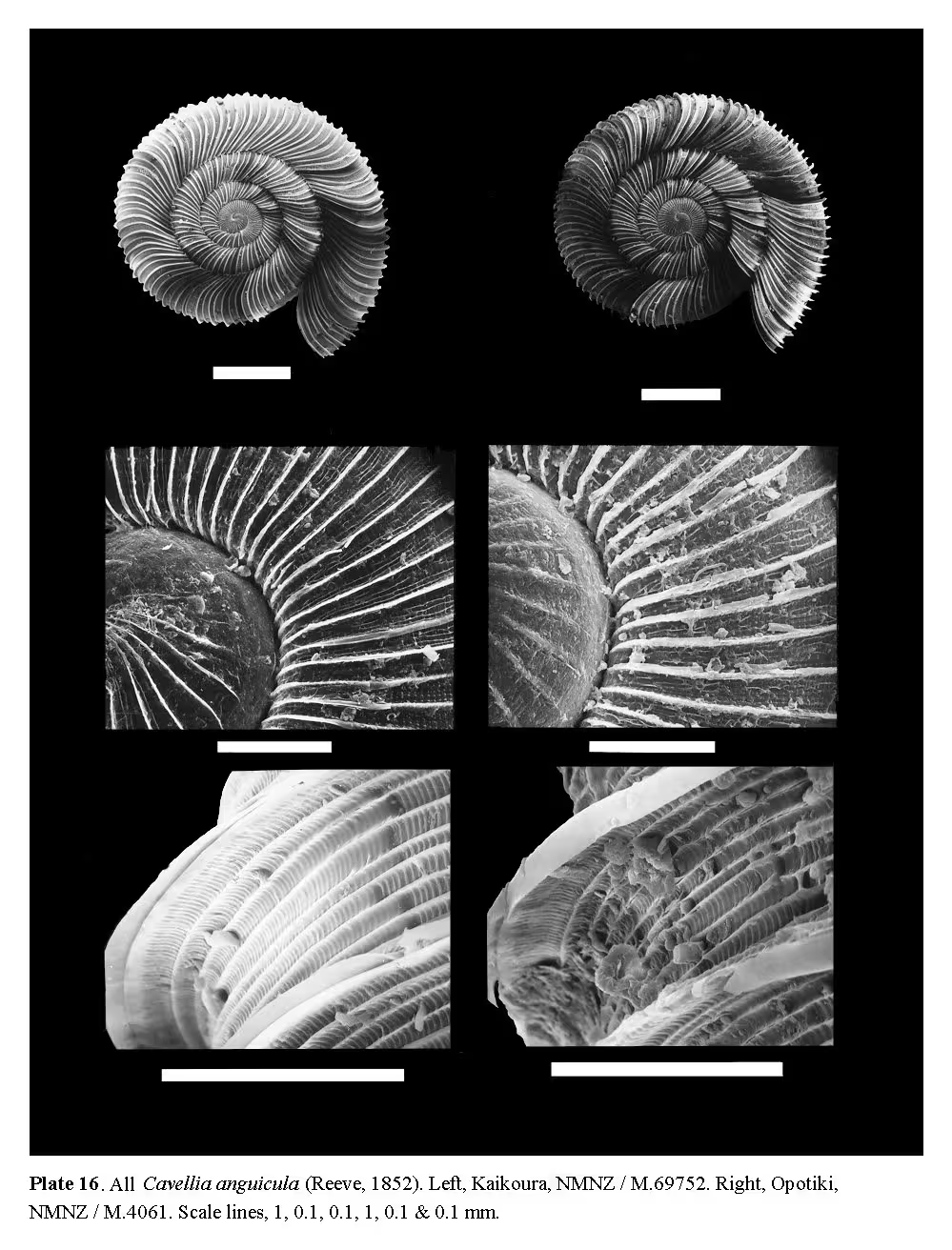
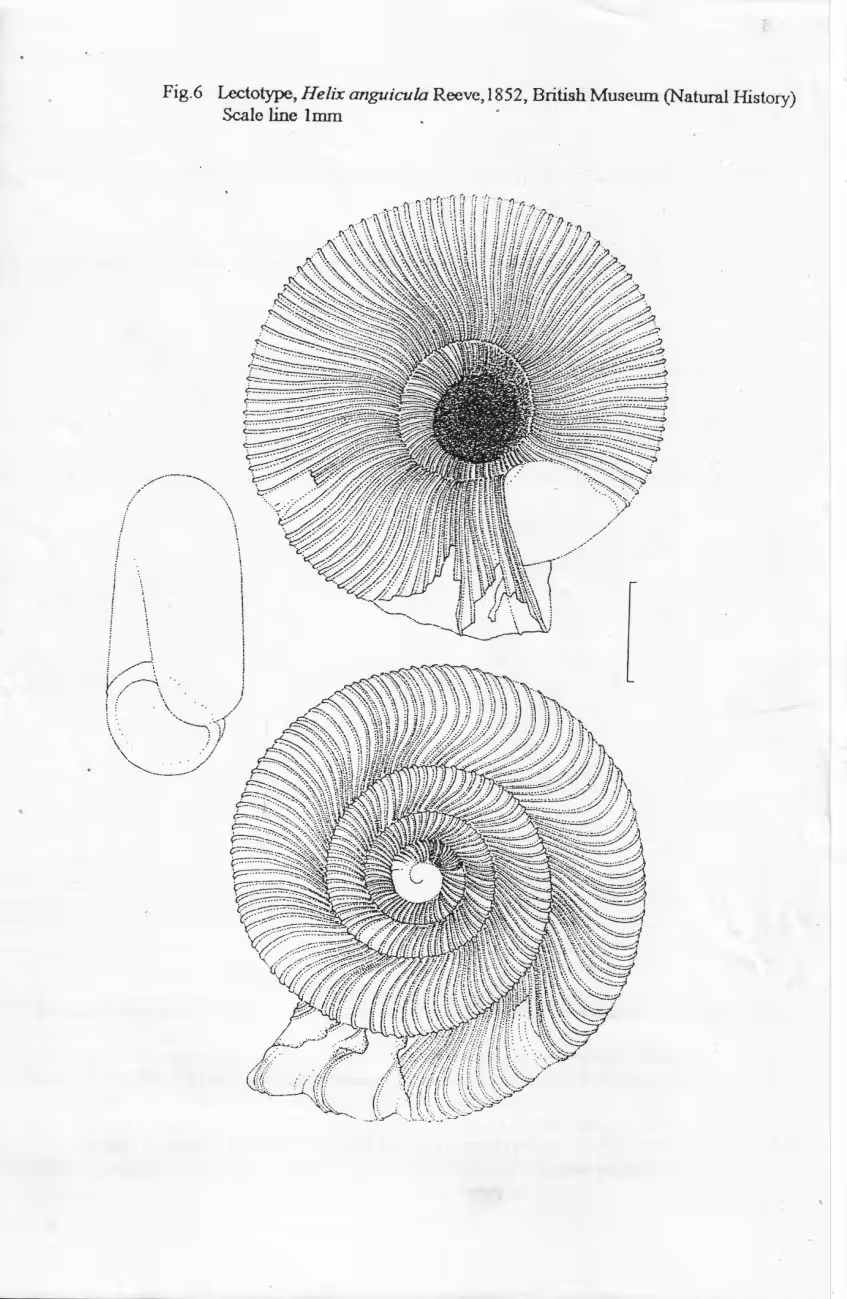
A shell under 5 mm carries detail that only shows under the microscope. Factsheets pair the description with micrographs, drawings of the type specimen and the anatomy that separates one species from the next.
The people behind the archive
FC
Frank Climo
Malacologist
Has described and revised New Zealand land snails since the late 1960s, from the carnivorous Rhytididae to the tiny Charopidae. The genus Climocella is named in his honour.
KM
Karin Mahlfeld
Land snail specialist
Has worked with the Department of Conservation on New Zealand’s threatened land snails, and led the 2012 assessment of their conservation status. Allodiscus mahlfeldae is named after her.
Published in 2025
Sixteen new species of Sinployea
A revision of the genus, with threat rankings for every species. Most are naturally uncommon or data deficient, and Sinployea australis is now presumed extinct.
Mahlfeld, Climo and Roscoe. Zoological Journal of the Linnean Society 204(1).
Get involved
Ask for access to unpublished work
Some of the archive’s records are not yet published. Researchers can ask for an account to see them, and each account is approved by the archive team.
Found a native snail?
Photograph it beside a ruler or a coin for scale, note where you found it, and post it to iNaturalist NZ, where others can help identify it. Please leave the snail where it was.